My girlfriend is an artist. Check our her work at miruto_96 on Instagram. She goes to conventions and sells her merch, prints, stickers, all kinds of stuff. She's also in the middle of something genuinely exciting: a comic about the 12 zodiac signs as gods fighting for power. Think Marvel energy, ancient mythology, original characters. It's awesome.
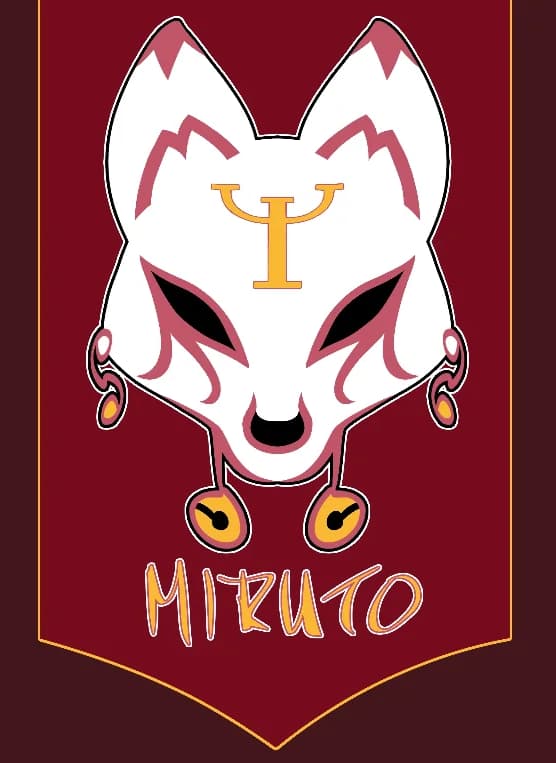
One of those zodiac characters is a fortune teller.
So obviously the question became: what if there was a real fortune teller kiosk at the convention booth?
What it does
You walk up to a small kiosk. There's a little Waveshare screen running a GIF, which right now is a placeholder for the crystal ball effect we're planning. It prompts you to type in your birthday. You type it on a compact wireless numpad, the 10-key part of a keyboard, standalone, USB receiver. Hit enter.
It reads your star sign, generates a fortune based on it, and prints it out on a portable Bluetooth thermal printer.
That's it. You walk away with a printed fortune. At a con. From a kiosk built around a character from an indie comic.
The technical side
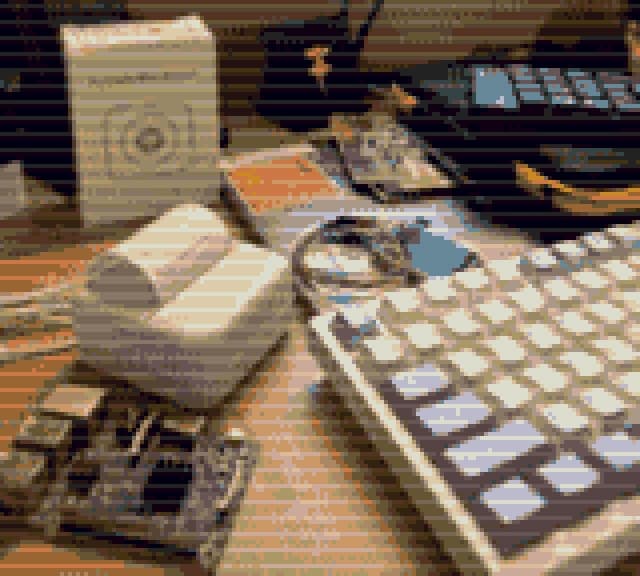
Raspberry Pi at the center of all of it. The whole thing boots up clean. Display, input, printer, all of it just works when you power it on. No fiddling.
The printer is a little Bluetooth thermal unit. Connecting it to the Pi took some work. Thermal printers use ESC/POS commands and you need to send the right byte sequences to get clean output. Once it's paired and configured it's rock solid though.
The numpad is plug and play via USB receiver. The Pi picks it up like any keyboard input.
Power comes from a power bank. I've calculated the draw and it'll run 10 to 14 hours comfortably. That covers a full con day without needing to find an outlet.
What's still coming
The enclosure is the big thing. My girlfriend is designing the full visual. The fortune teller character, the crystal ball, the whole look. Once that's finalized we'll print it, build the physical shell, add LEDs for atmosphere. The screen will play a proper crystal ball animation instead of the current placeholder GIF.
It needs to look like it belongs in a con booth, like it's part of the world she's built. The tech is done. Now it needs to become the object.
Why this project is different from my others
Most of my projects are for me. This one is for someone else, for a real event, with a deadline, in front of people. That changes everything about how you build it. Reliability matters more than cleverness, the experience matters more than the implementation, and plug-and-play isn't a nice-to-have, it's the whole point.
When it works at the first con and someone walks away with their printed fortune, that's the moment. Not the code. Not the hardware. The moment.
Can't wait for it.